Why What You Eat Determines How Fast You Age
Aging is not just about time — it is about what happens inside your cells. Chronic inflammation, oxidative stress, and cellular damage are the core biological drivers of aging. The remarkable news: your fork is one of the most powerful tools you have to slow all three.
A landmark Harvard T.H. Chan School of Public Health study tracking 100,000 adults over two decades found that those who followed the highest-quality dietary patterns were significantly more likely to reach age 70 free from major chronic disease. A 2026 NIH review confirmed that diet quality accounts for roughly 30–40% of all modifiable aging factors — more than exercise, sleep, or any single supplement.
This is not about deprivation. It is about strategically adding the right foods. Here are the 15 most powerful ones.
1. Blueberries — The Brain’s Best Friend
Blueberries are loaded with anthocyanins — pigments that cross the blood-brain barrier and reduce oxidative damage in regions most vulnerable to age-related decline. Research at Tufts University describes them as having the highest antioxidant capacity of any commonly consumed fruit.
The science: A 2023 study in Nature Neuroscience found that daily blueberry consumption improved memory and executive function in adults over 65 within 12 weeks. People who ate blueberries daily showed brain activity patterns 2–3 years younger than those who didn’t.
How to use them: Add a handful to Greek yogurt every morning. Frozen blueberries retain 90% of their anthocyanins and cost a fraction of fresh.
2. Extra-Virgin Olive Oil — Liquid Gold for Longevity
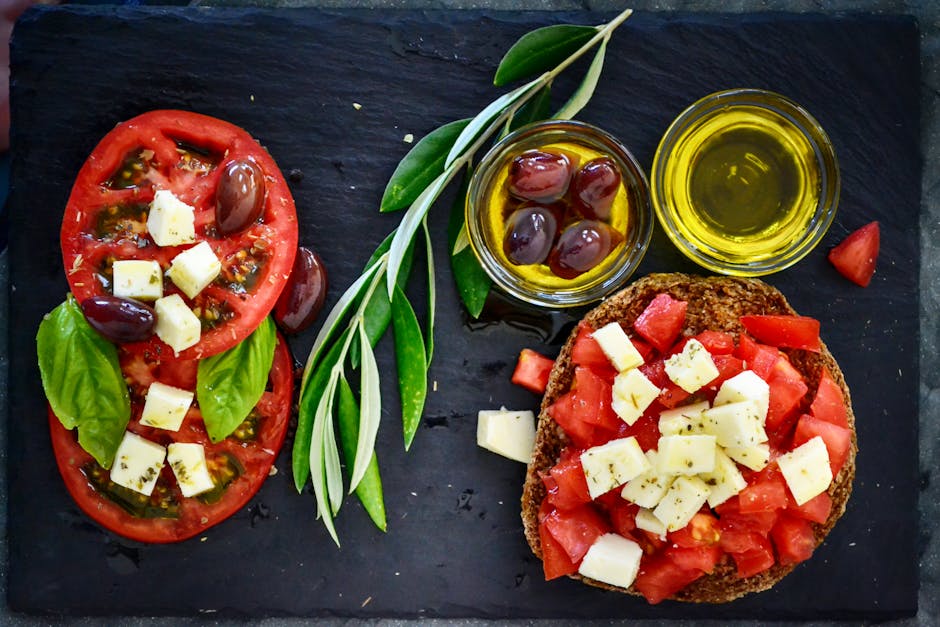
The Mediterranean diet’s MVP ingredient is rich in oleocanthal, a natural compound with anti-inflammatory properties comparable to a low dose of ibuprofen — without the side effects.
The science: A 25-year Spanish cohort study found that people who used extra-virgin olive oil exclusively had a 16% lower risk of cardiovascular disease and measurably lower biological aging markers. A 2026 NIH analysis confirmed that olive oil polyphenols actively protect telomere length — the biological clock inside every cell.
Best practice: Never heat EVOO above 180°C. Use it as a finishing oil on vegetables, grains, and soups to preserve its polyphenols.
3. Wild Salmon — The Omega-3 Powerhouse
Wild salmon is one of the richest dietary sources of EPA and DHA omega-3 fatty acids — essential for brain health, heart function, joint flexibility, and skin hydration. These fats also suppress the production of inflammatory cytokines that accelerate cellular aging.
The science: Research published in Neurology showed that people with higher blood omega-3 levels had brains that appeared up to 2 years younger on MRI compared to peers with lower levels. The American Heart Association recommends two 4-ounce servings of fatty fish per week.
Smart tip: Canned wild salmon delivers the same omega-3 profile as fresh fillets at 20% of the cost.
4. Leafy Greens — The Brain Age Reducers
Spinach, kale, arugula, collard greens, and Swiss chard share a remarkable nutrient profile: folate, vitamin K, lutein, and nitrates that support vascular health and cognitive function simultaneously.
The science: A Rush University study following 960 seniors found that people who ate one daily serving of leafy greens had the cognitive ability of someone 11 years younger than those who rarely ate them. That is one of the most dramatic diet-brain associations ever recorded.
Easy win: Add two handfuls of spinach to a morning smoothie. You cannot taste it but receive the full benefit.
5. Walnuts — The Wrinkle-Fighting Nut
Walnuts stand alone among nuts for their plant-based omega-3 content (ALA), plus ellagitannins — compounds gut bacteria convert into urolithins that support mitochondrial health: the energy factories inside every cell.
The science: A 2-year clinical trial in eBioMedicine found that daily walnut consumption reduced inflammatory biomarkers by up to 11% in older adults. They are also the only nut to contain significant melatonin, supporting sleep quality — itself a major anti-aging factor.
Daily target: 30g (about 7 whole walnuts). Add to oatmeal, salads, or eat as a mid-afternoon snack.
6. Fermented Foods — Your Gut’s Anti-Aging Army
Yogurt, kefir, kimchi, sauerkraut, miso, and kombucha populate your gut microbiome with beneficial bacteria. Since 70% of your immune system lives in your gut, a healthy microbiome is directly linked to slower aging, stronger immunity, and lower disease risk.
The science: A 2021 Stanford study published in Cell found that a high-fermented-food diet increased microbiome diversity and decreased 19 inflammatory proteins — including those driving chronic disease, diabetes, and accelerated aging.
Practical goal: Include at least one fermented food daily. Rotating types keeps your microbiome diverse.
7. Green Tea — The Longevity Elixir
Green tea contains EGCG (epigallocatechin gallate), one of the most powerful antioxidants in human nutrition. It activates AMPK — an enzyme that switches on the body’s cellular repair and autophagy pathways.
The science: Japanese studies on populations with the highest green tea consumption show dramatically lower rates of heart disease, stroke, and dementia. A 2024 meta-analysis of 40 trials confirmed that 3–5 cups daily is associated with a 26% lower risk of cardiovascular mortality.
Maximize it: Brew at 80°C — not boiling. Boiling water degrades EGCG by up to 40%.
8. Pomegranates — The Cellular Renewal Fruit
Pomegranates contain punicalagins, precursors to urolithins that stimulate mitophagy — the body’s process of clearing damaged mitochondria and replacing them with healthy ones. This is cellular self-renewal in action.
The science: A 2023 clinical trial showed that urolithin A (derived from pomegranates) improved muscle strength and endurance in adults over 65 by 12% — comparable to exercise training — by improving mitochondrial health and function.
9. Turmeric — The Golden Anti-Inflammatory
Curcumin, turmeric’s active compound, inhibits NF-kB — the molecular switch that drives chronic inflammation underlying most age-related diseases including Alzheimer’s, arthritis, and cardiovascular disease.
The science: A double-blind trial in The American Journal of Geriatric Psychiatry found that daily curcumin supplementation improved working memory, mood, and attention in adults over 50 within 18 months, with PET scans showing reduced amyloid plaques in the brain.
Absorption key: Always pair turmeric with black pepper. Piperine increases curcumin absorption by 2,000%. Add both to golden milk, curries, or scrambled eggs.
10. Beans and Lentils — The #1 Longevity Food
Dan Buettner’s Blue Zones research identified legumes as the single most consistent dietary factor shared by communities with the highest concentrations of centenarians worldwide — Sardinia, Okinawa, Nicoya, Ikaria, and Loma Linda.
One cup of beans provides 15–18g of protein, 15g of fiber, and an array of minerals. The fiber feeds beneficial gut bacteria that produce short-chain fatty acids — compounds that directly reduce systemic inflammation and support insulin sensitivity.
Best choices: Lentils (fastest to cook, no soaking), black beans, chickpeas, and edamame.
11. Sweet Potatoes — The Skin Protector
Sweet potatoes are extraordinarily rich in beta-carotene, which the body converts to vitamin A. Beta-carotene accumulates in the skin and acts as a natural internal sunscreen, protecting against UV-induced damage — one of the primary drivers of skin aging.
The science: Research from the University of St Andrews found that diets high in carotenoids created a visible, measurable improvement in skin tone and luminosity within 6 weeks — rated as more attractive by independent observers.
12. Dark Chocolate (70%+) — Guilt-Free Aging Defense
High-cacao dark chocolate is rich in flavanols that improve blood flow, lower blood pressure, and protect neurons. It also stimulates BDNF (brain-derived neurotrophic factor), a compound that encourages the growth of new brain cells.
The science: A Harvard Medical School study found that regular flavanol-rich cocoa consumption improved blood vessel function in older adults by the equivalent of 2.5 years of vascular aging reversal.
The rule: 70%+ cacao, 30g per day. The higher the percentage, the more flavanols and less sugar.
13. Tomatoes — The Lycopene Longevity Booster
Cooked tomatoes are among the richest sources of lycopene, a carotenoid antioxidant that protects DNA from oxidative damage and is strongly associated with lower rates of prostate cancer, heart disease, and stroke.
Key insight: Cooking tomatoes increases lycopene bioavailability by up to 5×. Pairing with olive oil increases absorption further. Tomato sauce with olive oil is one of the most nutritionally efficient preparations in existence.
14. Avocado — The Cell Membrane Healer
Avocados are uniquely rich in monounsaturated fats, glutathione (the body’s master antioxidant), and lutein. Glutathione levels naturally decline with age, making dietary sources increasingly critical after 40.
The science: A 2022 randomized controlled trial found that daily avocado consumption over 6 months improved cognitive function in overweight adults — researchers attributing the effect to improved lutein levels and cerebral blood flow.
15. Oats — The Gut and Heart Longevity Grain
Beta-glucan, the soluble fiber in oats, is one of the most studied cholesterol-lowering compounds in nutrition. It forms a gel in the digestive tract that captures LDL cholesterol before it enters the bloodstream, while simultaneously feeding the beneficial gut bacteria associated with longevity.
The science: The FDA approved the first food health claim specifically for oats’ role in reducing heart disease risk. Studies show 3g of beta-glucan daily (one bowl of oats) reduces LDL by up to 10% in 4–6 weeks.
The Practical Challenge: Getting These Into Daily Life
Knowing what to eat and making it happen every day are two different things. CookWins solves the gap:
- 📸 Photograph your fridge — the AI instantly identifies every anti-aging ingredient you already have
- 🍽️ Get personalized recipes — meals built around your longevity foods, before they expire
- 💰 Track your savings — our users save an average of $345/month by using what they already own
- ♻️ Reduce waste — 40% of food bought in the US is thrown away; CookWins users report 70% less waste
Download CookWins Free → iOS | Android
The Bottom Line
Anti-aging is not a supplement. It is a pattern. These 15 foods work not because any single one is magical, but because together they create a nutritional environment where inflammation is low, antioxidants are abundant, your gut is thriving, and your cells have everything they need to repair and renew.
Add two of these foods this week. Add two more next week. Within 30 days your fridge will look different — and the research says, so will you.